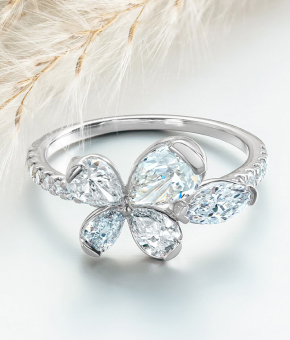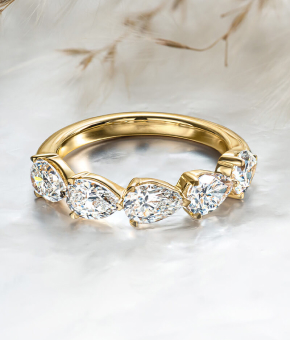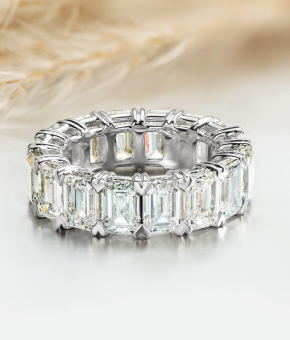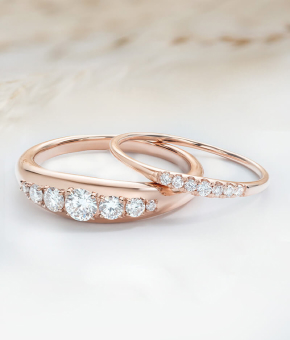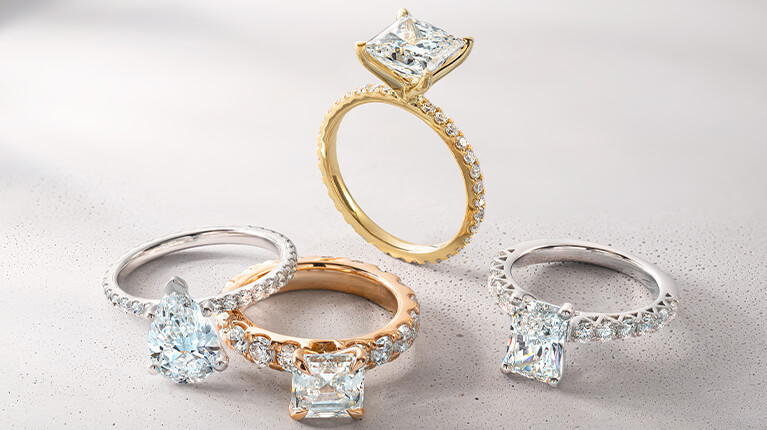
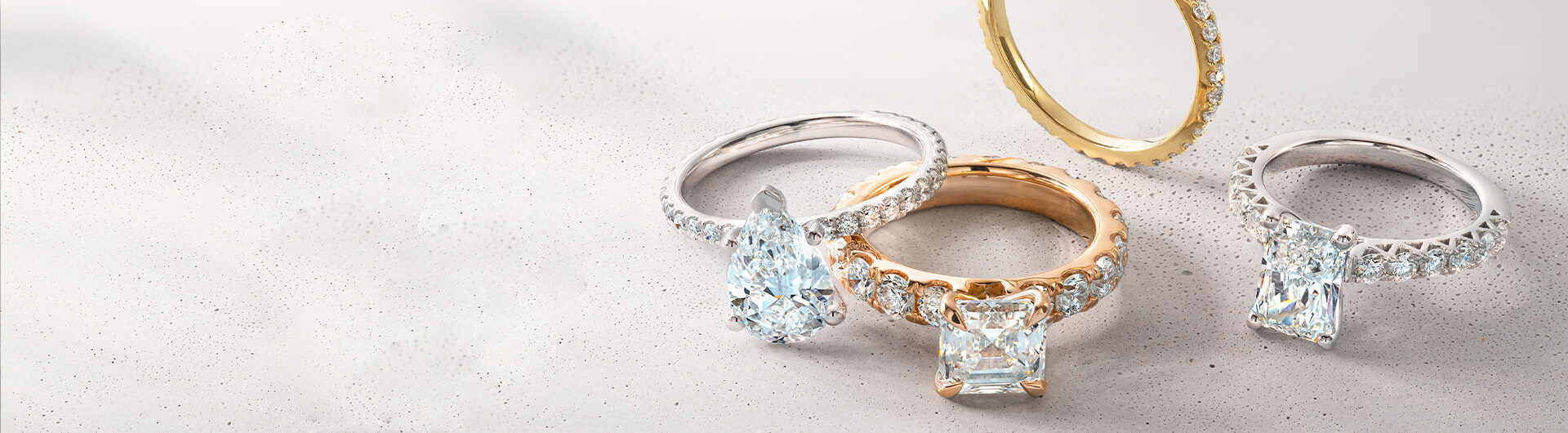
The type, color and karat of the metal you choose, affects the way your gems show face up in the piece of jewellery, and that's what we'll cover throughout this article: how to pick the ideal metal for your jewellery.
What color of gold will suit you best?
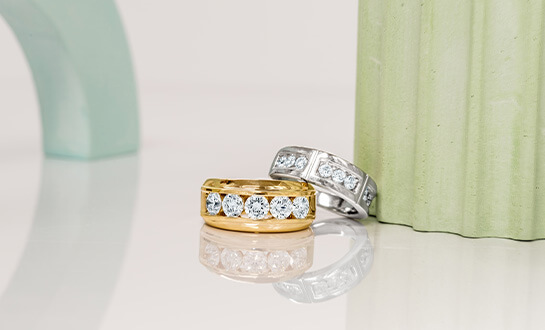
Every piece of jewellery has a metal component that accentuates the wonderful contrast between the piece, the gems it holds, and your skin. Some metals look better on certain skin tones than others. Some metals highlight certain gemstones better than others. So, let's go over each metal type and how to wear it in the best way possible.
A good rule of thumb is that people with cooler skin tones appear best in light metals, such as platinum and white gold. Rose and yellow gold jewellery looks best on warm complexions. Those with neutral skin tones will look great in any white, rose, and yellow metals.
What are the different gold colors available?
Gold is the most non-reactive of all the metals, which means that it won't react with most chemicals or oxygen, so it won't tarnish, rust, or perish. This characteristic makes it an ideal option for being used in high-status items, like fine jewellery, that is meant to last forever and maintain its worth and quality.
The traditional setting for most jewellery, gold is known for its beauty and versatility. It's also the most malleable of all metals, and since it's so soft, it can't be utilized for jewellery in its pure state.
Karat refers to the percentage of the gold in the alloy. Typically, all gold used to create jewellery, needs to be mixed with other metals such and copper, silver, and/or zinc. The purest form of gold that is undiluted with any other metal is called 24kt gold which has 100% gold.
Unfortunately, this type of gold is too soft to be used to set any gems or diamonds in it. The most commonly used gold purity is 14kt Gold which is 58.3% pure gold. But this type of gold is mixed with copper, silver and zinc. Depending on whether it is being made into white gold, yellow gold or rose gold, the proportions of the alloy will change. In the same way, 10Kt gold holds 42% pure gold and the rest are base metals mixed into the alloy. 18Kt gold is 75% pure gold and the rest are base metals.
- 10K = 10/24 = 42% Gold
- 14K = 14/24 = 58.3% Gold
- 18K= 18/24 = 75% Gold
- 22K = 22/24 = 92% Gold
- 24K = 24/24 = 100% Gold
Yellow Gold
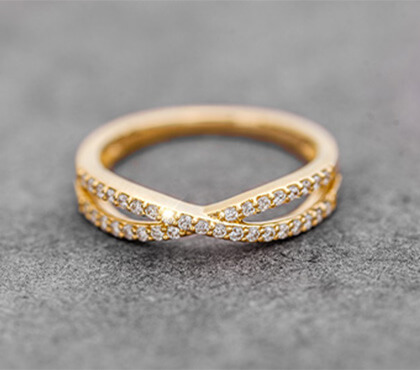
Yellow gold was a popular gold color choice in the olden days, when white gold was not an option. It's a heavily preferred material for jewellery, particularly for engagement and wedding rings. This is because it appeals to those who appreciate its rich warm color.
There are several reasons in choosing yellow gold as a precious metal for your jewellery. Firstly it is the original color of pure gold. Secondly, it is a great choice for someone looking for a warmer tone in their jewellery as well as showing off on a warmer skin tone. Yellow gold enhances the color and beauty of gemstones such as yellow diamonds, citrines and yellow sapphires.
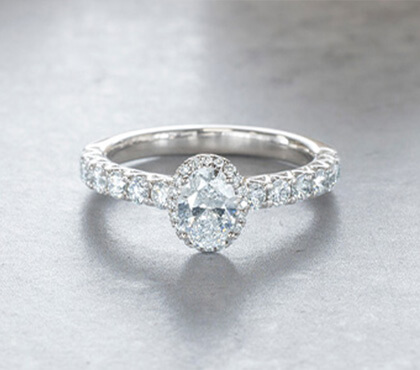
White Gold
White gold is one of the most popular gold color today, in engagement rings and wedding rings. Thai is largely due to the fact that it faces up beautifully on lighter skin tones as well as darker ones. It is extremely versatile to pair with various outfits and can look casual as well as upscale depending on how you wear it.
In addition, white gold is more malleable than platinum, which means that this material can be worked into fine, delicate shapes more easily.
Similar to platinum, white gold is made from alloys with one or more white metals, like palladium or nickel. It's also less expensive than platinum, making it an excellent choice for those who want the beauty of platinum, but with the legacy and classical style of gold.
Rose Gold
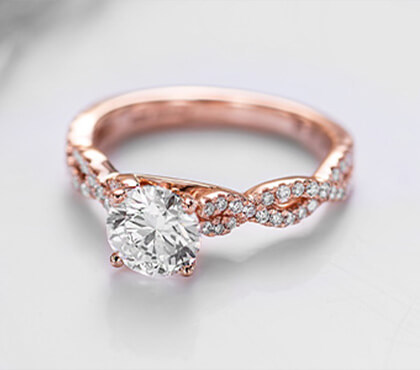
Sometimes referred to as pink gold, rose gold is a precious metal resulting from gold alloys with a greater copper percentage. It can vary in color depending upon the metal alloy’s composition. It is popular for many types of jewellery, from engagement rings to necklaces.
Rose gold is one of the most attractive, lovely, and feminine options available for gold jewellery. Its delicate color matches all skin tones and adds a timeless elegance to any event or situation, formal or casual.
Platinum
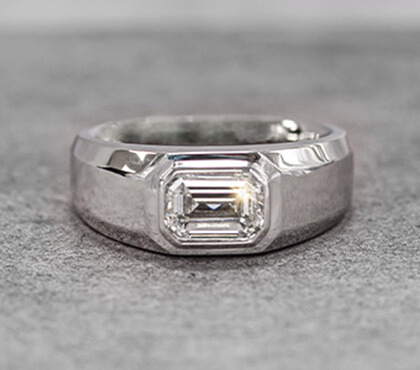
Platinum is the most valuable metals used in jewellery. Its value is simple to understand; platinum pieces are incredibly durable and won't tarnish, ever.
Additionally, platinum is the perfect everyday jewellery due to its incredible durability.
Platinum is also naturally hypoallergenic because of its high purity level, making it the best option for people with sensitive skin. As a result, platinum jewellery is always a good choice.
Recycled
Gold mining is an unclean industry as unethical and out-of-date as diamond mining. Communities are uprooted as a result of gold mining, which also pollutes drinking water, harms workers, produces tons of garbage, alters landscapes and communities for the worse, and contaminates ecosystems with toxic waste, leading to widespread water contamination.
At Grown Brilliance, we work only with great quality recycled metals to ensure they are well built, but they are produced under ethical and environmentally friendly standards.
The History of Gold Jewellery
Gold jewellery has a rich and storied history that can be traced back to ancient civilizations. The royal tombs of the ancient Egyptian Pharaohs, such as the tomb of Tutankhamun, were filled with an astonishing array of gold jewellery, indicative of the metal's association with divinity and power. Mesopotamia, often called the cradle of civilization, produced exquisite gold filigree work dating back to 3000 BC. The Romans saw gold as a symbol of status and power. Jewellery was not just an adornment but also a display of wealth and social standing. Intricate gold necklaces, bracelets, rings, and earrings were commonplace among the affluent Roman populace. The Roman era also introduced the use of precious gemstones in gold jewellery, with emeralds, sapphires, and garnets being particularly favored.
The fall of the Roman Empire gave rise to the Byzantine Empire, which left an indelible mark on the journey of gold jewellery. During this era, goldsmiths employed intricate techniques such as granulation and cloisonné enameling to create ornate and lavish designs. The Byzantine jewellery pieces often featured religious symbols, reflecting the Empire's strong Christian faith, and gemstones like pearls, amethysts, sapphires, and garnets were not uncommon. These gemstones added an extra layer of opulence to the gold jewellery, enhancing the visual appeal. Notably, the jewellery from this era wasn't just for adornment but also served as amulets providing protection to the wearer. The Byzantine era thus infused new dimensions of spirituality and symbolism into gold jewellery.
The Renaissance era witnessed a renewed interest in the arts and science, and gold jewellery was no exception. With the invention of the gold bulino technique, the design and production of jewellery reached new heights. Gold pieces created during this period were characterized by their detailed engraving, offering a sense of depth and three-dimensionality. The popularity of gold jewellery continued to grow, and by the Victorian era, famously known for its sentimental jewellery, gold was often the metal of choice. Lovers often gifted each other gold lockets and brooches, and mourning jewellery made of blackened gold became popular after Prince Albert's death. Gold jewellery in this era was heavily symbolic, reflecting love, sorrow, devotion, or friendship.
Today, gold jewellery continues to adapt to changing fashion trends and individual preferences, with themes ranging from minimalism to maximalism. Modern gold jewellery is often designed with versatility in mind, with pieces that can transition from day to night, casual to formal.
From ancient civilization to contemporary times, gold's allure is truly timeless. Each era has left its imprint on gold jewellery, transforming it, shaping it, and adding a fresh perspective. Today, gold jewellery is not only a fashion statement or a status symbol but also a cherished memory, a piece of heritage, and an artistic expression.
The journey of gold is the journey of humanity itself – continually evolving, yet rooted in a rich and lustrous past.
The Evolution of Gold: Weight, Sturdiness, and Value
In the realm of gold, there's more than meets the eye. From cutting-edge lightweight technology to classic, sturdy gold, each variant has its own story to tell. The Grown Brilliance Gold Collection features only light-weight and solid gold to maintain our commitment to overall quality and value. To help inform your purchase decision, we’ve included descriptions of these gold types below, as well as an exploration of vermey and hollow gold, which are not in our collection, but are still important to understand as part of a comprehensive guide to gold jewellery.
Light Weight Gold - Technologically Perfected
Lightweight gold represents a contemporary innovation in the world of jewellery crafting, blending traditional craftsmanship with advanced technologies to create pieces that are not only aesthetically pleasing but also notably lighter in weight compared to conventional gold jewellery. Here we will delve into the key aspects of lightweight gold, exploring its composition, manufacturing techniques, benefits, and considerations for consumers.
Composition:
Gold Alloys:Lightweight gold often incorporates alloys, which are mixtures of gold with other metals like silver, copper, or palladium. These alloys contribute to the reduction in weight while maintaining the inherent properties of gold.
Lower Karat Values: To achieve a balance between durability and weight reduction, lightweight gold may have lower karat values compared to solid gold. Common karat values include 18k or 14k, indicating the percentage of pure gold in the alloy.
Manufacturing Techniques:
Precision Crafting:Advanced manufacturing technologies, such as laser cutting and 3D printing, play a pivotal role in the creation of lightweight gold pieces. These technologies allow for precision in design, enabling intricate patterns and openwork without compromising structural integrity.
Computer-Aided Design (CAD): Designers utilize CAD technology to conceptualize and create intricate designs that contribute to the lightweight nature of the gold item. This digital approach enhances precision and creativity in crafting.
Benefits of Lightweight Gold:
Comfortable Wear:One of the primary benefits of lightweight gold is its comfort. The reduced weight makes these pieces ideal for everyday wear, minimizing strain on the wearer's skin.
Affordability: Due to the reduced gold content and innovative manufacturing techniques, lightweight gold pieces are often more affordable than their solid gold counterparts, making them accessible to a broader range of consumers.
Durability and Considerations for Consumers:
Innovative Alloys:While lightweight, these gold pieces are crafted to maintain durability and strength. The use of innovative alloys ensures that the jewellery remains sturdy and resilient.
Consumer Awareness:Consumers should be aware of the karat value of lightweight gold items, as lower karat values may impact the color and purity of the gold. Understanding the composition of the jewellery contributes to making informed purchasing decisions.
Light-weight gold represents a harmonious blend of tradition and technology, offering consumers a modern and comfortable alternative in the realm of jewellery. By understanding the composition, manufacturing techniques, and benefits of lightweight gold, consumers can appreciate the craftsmanship and versatility that this innovative approach brings to the world of gold jewellery.
Hollow Gold - A Delicate Dance
Hollow gold represents a fascinating and intricate facet of jewellery craftsmanship, where skilled artisans employ specialized techniques to create pieces with a delicate, paper-thin appearance. Understanding the ins and outs of how hollow gold is made, it’s composition, and consumer benefits will help inform your decision when considering the purchase of gold jewellery.
Manufacturing Techniques:
Intricate Hollow Forms: Craftsmen use specialized tools to create intricate hollow forms within gold structures. These forms range from geometric patterns to delicate filigree, contributing to the lightweight and delicate nature of the final piece.
Precision Metalworking:The creation of hollow gold requires precision metalworking techniques, often involving the meticulous shaping and connecting of thin gold sheets or wires to form the desired structure.
Filigree and Openwork: Filigree, an ancient metalworking technique, is commonly employed in hollow gold crafting. This involves delicately twisting or weaving thin metal threads into ornate patterns. Openwork designs, characterized by cut-out sections, further reduce the weight of the gold piece.
Composition:
Thin Gold Sheets:Hollow gold pieces are crafted using incredibly thin gold sheets, creating a lightweight and ethereal appearance. The thickness of these sheets can be as minimal as paper, contributing to the delicacy of the final design.
Metal Framework:Some hollow gold pieces may incorporate a metal framework within the structure. This framework provides structural support while allowing for intricate designs and reducing the overall weight of the jewellery.
Benefits of Hollow Gold:
Lightweight and Comfortable:One of the primary benefits of hollow gold is its lightweight nature, ensuring a comfortable wearing experience. The reduced weight makes these pieces ideal for everyday wear without compromising on style.
Intricate Designs:The manufacturing techniques used in hollow gold allow for the creation of intricate and detailed designs that might be challenging to achieve with solid gold. This opens up a world of artistic possibilities, from delicate filigree patterns to airy openwork designs.
Cost-Effective:Hollow gold pieces often use less gold than their solid counterparts, making them more cost-effective. This accessibility allows a broader range of individuals to enjoy the craftsmanship and beauty of gold jewellery.
Durability:While hollow gold pieces are delicately crafted, they are designed to be durable for regular wear. However, it's essential for wearers to handle them with care and avoid activities that may subject the jewellery to excessive stress.
Hollow gold stands as a testament to the artistry and skill of jewellery craftsmen who transform thin sheets of gold into breathtaking works of wearable art. With its lightweight, intricate designs, and cost-effectiveness, hollow gold continues to captivate those who appreciate the delicate balance between form, function, and artistic expression in the world of fine jewellery.
Vermey Gold - A Surface Beauty:
Vermey gold, also known as gold vermeil, is a unique type of gold finish that adds a layer of precious metal to the surface of another base metal, typically sterling silver. Understanding and exploring its specific composition, application, considerations, and how it differs from solid gold will inform you as to whether vermey gold is right for you.
Composition and Application:
Gold Coating:Vermey gold involves applying a thin layer of gold onto the surface of a base metal, commonly sterling silver. This is achieved through a process called electroplating or another coating technique.
Gold Thickness:The gold layer in Vermey gold is generally thicker than what is found in gold-plated items. It often exceeds 2.5 microns, contributing to a more durable and longer-lasting finish.
Base Metal:The underlying base metal, usually sterling silver, provides a foundation for the gold coating. Sterling silver is chosen for its compatibility with the gold layer and its ability to create a beautiful contrast.
Benefits of Vermey Gold:
Affordability:Vermey gold provides an affordable alternative to solid gold jewellery. The gold coating allows individuals to enjoy the luxurious appearance of gold at a fraction of the cost.
Versatility:The base metal, often sterling silver, allows for greater versatility in design. Vermey gold pieces can feature intricate detailing and complex designs, showcasing the craftsmanship without the constraints of using solid gold.
Rich Aesthetic:Vermey gold items boast a rich and lustrous appearance akin to that of solid gold. The thickness of the gold layer contributes to a warm, golden hue, enhancing the overall aesthetic appeal of the jewellery.
Considerations for Consumers:
Wear and Tear:While more durable than traditional gold-plated items, Vermey gold can still experience wear over time, especially if subjected to friction or harsh chemicals. Care should be taken to avoid abrasive materials during cleaning.
Value Perception:It's essential for consumers to understand that Vermey gold, while offering a luxurious appearance, does not hold the same intrinsic value as solid gold. The value is derived from the craftsmanship, design, and the aesthetic appeal it brings.
Comparison with Solid Gold:
Cost Difference: Vermey gold offers a cost-effective option compared to solid gold, making it accessible to a broader audience.
Appearance: While Vermey gold mimics the appearance of solid gold, the discerning eye may notice differences in the depth of color and the richness of the metal.
Intrinsic Value: Solid gold maintains its intrinsic value over time, whereas Vermey gold is valued for its aesthetic qualities rather than its precious metal content.
Vermey gold represents a fusion of affordability and aesthetic appeal, allowing individuals to enjoy the luxury of gold without the hefty price tag. As consumers explore Vermey gold jewellery, understanding the composition, benefits, and considerations will empower them to make informed choices based on their preferences and expectations.
Gold - A True Store of Value:
Solid gold stands as a timeless and prestigious material with a rich history in the world of jewellery. This explanation aims to provide insights into the characteristics, composition, and intrinsic value of solid gold, exploring why it remains an enduring symbol of luxury and craftsmanship.
Composition:
Pure Gold:Solid gold refers to jewellery made from a high percentage of pure gold. Gold is measured in karats, with 24-karat gold being pure gold. Solid gold jewellery may range in purity, with common karat values being 18k (75% gold), 14k (58.3% gold), and 10k (41.7% gold).
Alloys:To enhance durability and adjust the color, solid gold is often alloyed with other metals such as copper, silver, or palladium. The choice of alloys influences the final color of the gold, whether it's yellow, white, or rose gold.
Intrinsic Value and Durability:
Wealth and Status:Throughout history, solid gold has been a symbol of wealth, status, and prestige. Its rarity, combined with its enduring beauty, has made it a sought-after material for crafting fine jewellery.
Investment:Solid gold holds intrinsic value as an investment. The value of gold tends to remain relatively stable over time, making it a popular choice for those looking to preserve and grow their wealth.
Resistance to Tarnish and Corrosion:Gold, in its pure form, is resistant to tarnish and corrosion. This quality ensures that solid gold jewellery maintains its brilliance and luster with proper care.
Malleability:Solid gold is highly malleable, allowing craftsmen to create intricate and detailed designs. This characteristic is particularly advantageous for crafting fine jewellery with delicate patterns.
Longevity: Solid gold jewellery is known for its longevity. With proper care, solid gold pieces can be passed down through generations, retaining their beauty and value.
Solid gold remains the epitome of luxury and timeless elegance. Its intrinsic value, combined with its versatility in design and enduring appeal, makes it a cherished material for crafting fine jewellery. Understanding the composition and qualities of solid gold empowers consumers to make informed choices when selecting pieces that reflect their style and appreciation for enduring beauty.
Charting Gold's Journey Over 70 Years
Below is a representation of the approximate price trends of gold over the past 70 years. Please note that these values are approximate and subject to change based on various economic factors:
| Year | Average Price of Gold (INR) |
|---|---|
| 1950 | ₹34.72 |
| 1960 | ₹35.27 |
| 1970 | ₹36.02 |
| 1980 | ₹615.00 |
| 1990 | ₹383.51 |
| 2000 | ₹279.11 |
| 2010 | ₹1,224.53 |
| 2020 | ₹1,770.64 |
This table indicates a general upward trend in the price of gold over time, reflecting its growing value as a safe-haven asset. However, it also shows significant fluctuations and spikes in price, particularly during economic crises or periods of instability. This highlights the importance of understanding the factors that influence the price of gold.
As we explore the diverse facets of gold, from lightweight innovations to the timeless solidity of pure gold, one thing remains clear – gold's allure endures. Whether you choose the feather-light feel of modern technology or the robust elegance of traditional gold, each piece tells a story of craftsmanship, innovation, and enduring value. Embrace the journey and find your perfect gold companion – a piece that transcends time and trends.
The Gold Collection at Grown Brilliance
Explore the all-gold jewellery collection at Grown Brilliance – a celebration of opulence, craftsmanship, and unparalleled luxury.Each piece in our gold jewellery collection is a testament to the artistry and craftsmanshipinherent in our brand while capturing the radiance and intrinsic beauty of gold. From timeless classics to contemporary masterpieces, our collection offers a diverse range of options to suit every style and occasion. Our designers have artfully combined modern aesthetics with classic elements, resulting in pieces that transcend trends and become enduring staples in your jewellery collection.
Discover necklaces that redefine sophistication, reflecting the unparalleled beauty of pure gold, indulge in the artistry of our gold bracelets, where every link tells a story of refined elegance, elevate your look with our breathtaking gold earrings, or make a statement with our collection of gold rings.
At the heart of our Gold Jewellery Collection lies a commitment to quality, sophistication, and the enduring allure of pure gold. Each piece is more than jewellery; it's a symbol of self-expression, an embodiment of your unique style, and a cherished part of your story – a story told in brilliance, sophistication, and the timeless elegance that only gold can provide.
Actually, there is no "rarer" gold. Gold normally comes in yellow, and refined gold is alloyed with other metals. Copper, silver, nickel, palladium, and zinc are some of the most common metals used to mix with gold to achieve different colors, such as white gold and rose gold.
In comparison to other colors of gold, rose gold's base metal is copper, which is less expensive than silver – which is used on white gold. Consequently, rose gold could be a little less costly than white or yellow gold. However, bear in mind that the price is based primarily on the amount of pure gold, not the alloy.
There is no definitive answer to this question because it depends on what your idea of “the best” is. The primary distinctions between these weights are in terms of color and durability. Because 24K (pure) gold is soft, other base metals are alloyed or blended with it to strengthen its hardness, durability, and look.
14K, 18K and 24K gold are among the most popular selections of precious metals for jewellery. The main difference between them is the gold percentage, as you can see above. Another difference is that the jewellery made of 18K gold has a richer yellow color in contrast to those made of 14K, which has a lighter tone due to the added alloys.
However, it doesn't mean that jewellery made of 14K gold is worse than those made of 18K. In fact, they tend to be more durable and harder since they contain more alloy.
To do this test, start by filling half of a container with enough water to cover your gold item with room to spare. After this, drop your gold item into the water gently.
Real gold is a heavy metal that does not float, so if your gold object floats, it is not genuine. Also, rust or tarnishing on the object after being in the water is a sign that it is not real gold because gold does not rust or tarnish. Because of the potential of tarnishing, you might not want to do this experiment on a costly item.
Diamonds created in a laboratory have the same thermal and electrical conductivity as mined diamonds. As a result, they will pass the diamond tester exam.